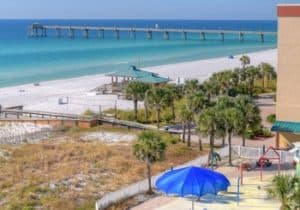
How to Choose a Florida Beach Resort (Family Edition)
Picking the right resort can turn a good Florida vacation into an effortless and memorable one.
Use this guide to match region, amenities, room type, price, and safety to your family’s needs—so you spend more time on the sand and less time troubleshooting.
Download your free beach resort checklist below and keep Florida Travel Blog handy as a guide to the best resorts in Florida.
Key Takeaways
- Discover the elements of choosing a Florida beach resort for your family
- What are the amenities you should expect at a resort
- Know what costs can be hidden before you book
- Get a checklist to compare resorts
- All your questions answered
1) Start with the Region and Beach Vibe
Florida’s coasts feel different, and that matters with kids when choosing resorts on Florida beaches.
Omni Resort, Amelia Island is one of our favorite family friendly resorts in Florida’s northeast region. Northeast (Amelia Island • Jacksonville • St. Augustine) – Wide Atlantic beaches, small-town charm, historic sightseeing, seasonal trolley tours. Surf can be choppy; choose lifeguarded stretches.
Northwest / Panhandle (30A • Destin • Pensacola) – Powder-soft quartz sand and clear emerald Gulf water; many condo-resorts with kitchens. Summer is peak; shoulder seasons are gorgeous.
Central Atlantic (Daytona • Cocoa/Space Coast) – Long, walkable strands with a “surfy” vibe; easy day trips to Kennedy Space Center.
Central Gulf (Clearwater Beach • St. Pete • Anna Maria) – Typically gentler Gulf surf, sunset piers, lots of kid-friendly pools and beachfront promenades.
Southwest (Sarasota • Venice • Fort Myers • Naples • Sanibel/Captiva) – Excellent shelling, calm water, and many condo options with full kitchens.
Southeast (Palm Beach • Fort Lauderdale • Miami Beach) – Livelier scene, high-rise oceanfronts, strong dining and culture; good if you want walkability and variety.
Florida Keys – Smaller beaches in the Florida Keys but top-tier snorkeling, sandbars, and boat days; think water-activity resort more than “long beach walks.”
Quick picker: Want calm swim days with toddlers? Lean Gulf. Want boogie-board energy and lighthouses? Lean Atlantic. Want snorkeling and boat days? Keys.
Discovering how to choose a Florida beach resort is about information and research!
2) Match Amenities to your Kids’ Ages
Not all “family friendly” designations are created equal. Scan for:
Hawks Cay Resort is one of the best kid-friendly resorts in the Florida Keys. Note the pool in front and the lagoon in the back for kids to learn watersports. Pools that work year-round: Zero-entry or shallow areas for little ones; heated pools outside summer; splash pads and lazy rivers are a plus.
Kids’ clubs & activities: Check age ranges, hours, and costs. Are there rainy-day crafts? Movie nights? Seasonal schedules?
Baby/toddler gear: Confirm cribs/pack ’n plays, high chairs, bottle warmers on request, and blackout curtains.
Beach setup: Included chairs/umbrellas, shade options, and nearby restrooms make or break long beach days.
On-site food: Poolside menus, grab-and-go markets, and a quick breakfast option (free breakfast at suite hotels is gold).
3) Choose the Right Room Type
Sleep and space are the sanity savers.
Suites (separate sleep spaces) or condo-style units with kitchenettes/full kitchens help with naps and picky-eater moments.
Look for in-unit or on-floor laundry for sandy gear.
For strollers and coolers, confirm elevators, bell service, and cart availability.
Balcony safety: check locks and rail heights if traveling with toddlers.
Need to fit five? Ask about sofa beds, rollaways, and connecting rooms (get it guaranteed in writing, not “request only,” when possible).
4) Know the Real Price (not just the nightly rate)
Sticker price can balloon with add-ons. Before you book, ask:
The Hilton is affordable on Marco Island and is a very family oriented resort. They offer free self-parking, which is unusual. Resort fees: What’s actually included—chairs/umbrellas, bikes, kids’ activities, fitness classes, Wi-Fi?
Parking: Valet-only can add $40–$60+ per night in some cities; many Gulf resorts still offer free self-parking.
Breakfast: Free hot breakfast at suite hotels can offset costs; otherwise, factor in on-site menu pricing or nearby grocery runs.
Cabanas: Worth it for shade-all-day families; ask about half-day deals or weekday rates.
Packages: Look for resort credit, kids-eat-free, or third-night free offers in shoulder seasons.
5) Safety, Surf, and Seasonal Conditions
Florida is easy, but a quick safety check keeps it that way.
Lifeguards & flag system: Favor lifeguarded zones and learn beach flags: Green = calm; Yellow = moderate; Red = high hazard; Double Red = no swimming; Purple = marine life.
Rip currents: More common on the Atlantic; swim near guards and stay inside your depth with kids.
Red tide: Occasional on the Gulf, typically fall–winter. If sensitive, ask the resort how they communicate conditions and whether alternate pool-day activities are planned.
Sargassum (seaweed): Peaks on parts of the Atlantic in spring/summer; some resorts groom daily, others let nature be—ask how your dates look.
Sun & heat: Prioritize shade, UPF swim shirts, and plan outdoor time early/late. Hydration and breaks keep moods happy.
6) Timing Your Trip
Destin is known for family vacations. Several resorts are near the Big Kahuna Water Park. Best family weather often lands in late spring (April–May) and early fall (October–early November)—warm water, lighter crowds, better rates.
Summer brings long pool days and warm seas but also afternoon thunderstorms; plan early beach time and post-storm pool time.
Holidays & spring break = premium pricing and busy pools; reserve chairs/cabanas and dinner times ahead.
Hurricane season runs June–November. Consider flexible rates, a clear hurricane policy, and travel insurance during peak months.
7) Logistics That Make Life Easier
Walkability: With kids, being able to stroll to ice cream, pharmacy, playground, and casual dining is huge.
Transit & parking: City beaches (Miami Beach, Fort Lauderdale) may be valet-only; smaller islands usually have self-parking. If you’ll drive to off-site attractions, confirm in/out privileges.
Construction & events: Ask directly about pool/boardwalk renovations, beach renourishment, or big events (boat parades, marathons) that affect noise and traffic.
Stroller/gear policy: Some pools restrict wagons or large inflatables; ask before you buy.
Quiet hours: Helpful for early bedtimes—many resorts can place you away from bars or event spaces on request.
8) Accessibility & Multi-generational Travel
Traveling with grandparents or anyone with mobility needs?
When it comes to mobility concerns, the Henderson Beach Resort in the Florida Panhandle is a good choice. Confirm ADA rooms, roll-in showers, elevators, and step-free routes to the pool and beach.
Ask about beach access mats, beach wheelchairs, and tram/shuttle assistance where dunes make access tricky.
Reserve ground-floor or near-elevator rooms if long corridors are an issue.
Look for plentiful shaded seating and nearby restrooms.
9) Booking Strategies That Actually Help
Shortlist → call. After narrowing to 2–3 properties, call the resort. Ask about kids’ club dates, exactly what the resort fee covers, pool heat, and any beach or construction notes for your week.
Compare direct vs. OTA. Direct bookings often include better change policies or resort credits; OTAs sometimes win on base rate. Screenshot inclusions either way.
Rate stacking: Check AAA/AARP, Florida resident, “stay longer,” and “advance purchase” deals—then weigh flexibility.
Room placement: If naps matter, request a quieter wing, north/south exposure for shade, or a lower floor to cut elevator time.
Hold essentials early: Cabanas, kids’ club slots, dinner reservations, and any special experiences (turtle walks, boat trips) book out in peak weeks.
10) Quick Checklist (download FREE)
Get your free resort checklist. Select for download. Region fit: Atlantic energy / Gulf calm / Keys snorkeling
Safety: Lifeguards? Flag system posted? Shade near water?
Pools: Zero-entry • heated • splash pad • shallow area
Room: Suite or condo • kitchenette/full kitchen • washer/dryer access • balcony safety
Gear: Crib/pack ’n play • high chair • blackout curtains
Beach: Chairs/umbrellas included? Restrooms close? Grooming policy during sargassum?
Costs: Resort fee inclusions • parking (self vs. valet) • breakfast plan • cabana rate
Logistics: Walkability to groceries/dining • noise/quiet hours • construction/renourishment
Timing: Shoulder-season rates • hurricane policy • event calendars
Accessibility: Step-free routes • beach mats/wheelchairs • shaded seating
Bottom Line
The “best” Florida beach resort is the one that matches your family’s rhythm—nap schedules, swim comfort, food preferences, and budget.
Start with the Florida region that fits your beach vibe, insist on the amenities that make days smooth (zero-entry pools, shade, and simple meals), and confirm the fine print before you lock in dates.
Do that, and your Florida trip stops feeling like logistics—and starts feeling like vacation the moment you pull into the driveway.
FAQs About How to Choose the Right Beach Resort
Q1. How do I choose the right Florida beach resort for my vacation?
Start with three basics: location, vibe, and budget. Decide which coast you want (Gulf, Atlantic, or Keys), whether you want a quiet retreat, family fun, or nightlife, and how much you realistically want to spend per night. Then narrow down resorts by must-have features like beachfront access, pool setup, on-site dining, and room type (standard room vs. suite vs. condo-style unit). Reviews and recent photos are your best reality check—look specifically for mentions of beach condition, cleanliness, and staff service.
Is it better to stay on Florida’s Gulf Coast or Atlantic Coast?
It depends on your priorities. The Gulf Coast (Clearwater, Sarasota, Naples, Panhandle) usually has softer, whiter sand and calmer, warmer water—great for families with small kids or travelers who like gentle surf and sunsets over the water. The Atlantic Coast (Daytona, Cocoa, Vero, Palm Beach, Miami Beach) tends to have more wave action for surfing and bodyboarding, plus sunrises over the ocean and, in some areas, a livelier nightlife scene. Both coasts have full-service beach resorts, so use your preferred water conditions and atmosphere as the tiebreaker.
Which Florida beach areas are best for families with kids?
Families usually gravitate to calmer Gulf beaches and family-oriented islands. Popular options include Clearwater Beach, St. Pete Beach, Anna Maria Island, Sarasota/Siesta Key, Amelia Island, and some stretches of the Panhandle like Destin and 30A. Look for resorts that advertise kids’ clubs, splash pads or zero-entry pools, mini-golf or game rooms, and easy dining options. Articles that rank Florida’s best family resorts often highlight these same areas because they combine calm water, walkable amenities, and family-friendly activities.
What amenities should I look for when booking a Florida beach resort?
The most requested amenities are:
True beachfront or very short walk to the sand
Pool complex (heated pools, kids’ area, maybe a hot tub)
On-site bar and restaurant or at least easy access to food
Free or reasonably priced parking
Balconies or ocean-view rooms, if the view matters to you
Wi-Fi and in-room conveniences like mini-fridge or kitchenette
Resort activities, such as water sports rentals, kids’ programs, or spa services
Resort guides commonly recommend weighing amenities against price: sometimes a slightly higher nightly rate is worth it if it includes parking, beach chairs, or resort credits.
How important is it to book a resort directly on the beach?
If you plan to spend most of your time on the sand, beachfront is worth the premium. Staying directly on the beach means easier midday breaks, less hassle hauling gear, and better odds of ocean views. That said, you can save money by choosing places across the street or a few blocks away—especially in walkable towns where public beach access is plentiful. Decide how often you’ll actually be on the beach versus exploring, and whether you’re okay walking or driving a short distance and paying for beach parking.
When is the best time of year to book a Florida beach resort?
Late spring and early fall are the sweet spots for many travelers. Winter (roughly January–March) is peak season on many coasts, especially for snowbirds, so prices spike and resorts book early.
How far in advance should I book a Florida beach resort?
For major holidays, spring break, and popular family weeks, try to book three to six months in advance if you care about specific room types or ocean views. For shoulder seasons or mid-week stays, you can often book closer—around one to two months out—and still find good options.
Vacation Planning Tools
Compare, plan and get ideas.
Latest Posts
Where Is Chattahoochee Florida? A Complete Local Guide
Last Updated September 9, 2026 Chattahoochee, Florida sits in the far northwestern corner of the state, in Gadsden County, just a few miles south of the
What are the Best Beach Destinations in Florida for Families?
We have been traveling Florida for over 40 years. Here are our 24 best beach destinations in Florida. From the far reaches of the Panhandle
Best Beaches on Florida’s West Coast: 21 Gulf Coast Picks (2026)
We’ve visited every beach on this list. Here are the 21 best beaches on Florida’s west coast — from Clearwater south to Marco Island — with parking, tips, and what makes each one worth the trip.
Marco Island, Florida: The Complete Travel Guide
They call it the “Hawaii of the East,” and once you arrive, the nickname makes perfect sense. Marco Island sits at the southern tip of
Florida Travel Guides
Key Largo to Key West Florida Mile By Mile Guide
Key Takeaways Top 10 Stops – Key Largo to Key West John Pennekamp State Park Florida Keys Wild Bird Center Theater of the Sea ROBBIE’S
Best Places in Florida for Young Adults to Vacation (2026 Guide)
Florida isn’t just theme parks and family trips—it’s beaches with a pulse, neighborhoods with art and music until late, and water adventures you can’t get
Clearwater Beach Visitors Guide – Unwind in Paradise
Last Updated April 18, 2026 Clearwater Beach delivers powder-soft sand, calm Gulf water, a walkable marina-to-pier strip, and nightly sunset vibes. As Tampa Bay locals,

Interesting Facts About the Florida Everglades – 100 Of Them!
Our Number One Fact About The Everglades — “The Florida Everglades is one of the most extraordinary ecosystems on Earth! An immense subtropical wetland famous
Guide To Florida Keys: Resident’s Essential Tips
You are about to embark on a journey through the most beautiful tropical islands in the world. This guide to the Florida Keys is a
Florida Travel Blog is an Amazon Associate. Should you purchase something from a link, we earn a very small commission at no cost to you.