

Overview of the Main Keys in the Florida Keys Archipelago
The Florida Keys archipelago is comprised of several main keys, each with its own distinct character and attractions. Let’s take a closer look at some of the most popular and larger keys in this island chain.
Key Largo the Diving Capital of the World
Key Largo, the first and northernmost key, is renowned as the “Diving Capital of the World.” Its crystal-clear waters and abundant coral reefs make it a paradise for divers and snorkelers. The John Pennekamp Coral Reef State Park, located off the coast of Key Largo, is the first underwater park in the United States and offers a chance to explore the vibrant marine life that inhabits the area. Get Your Guide to Key Largo
Islamorada is The Sport Fishing Capital of the World

Islamorada, located between Key Largo and Marathon, has earned the title of “The Sport Fishing Capital of the World.” Anglers from around the globe flock to this key in pursuit of trophy fish such as marlin, sailfish, and tarpon. Islamorada also boasts beautiful beaches, luxury resorts, and excellent dining options, making it a favorite destination for relaxation and adventure. Guide to Islamorada
Marathon is the Haven for Boating and Nature Enthusiasts
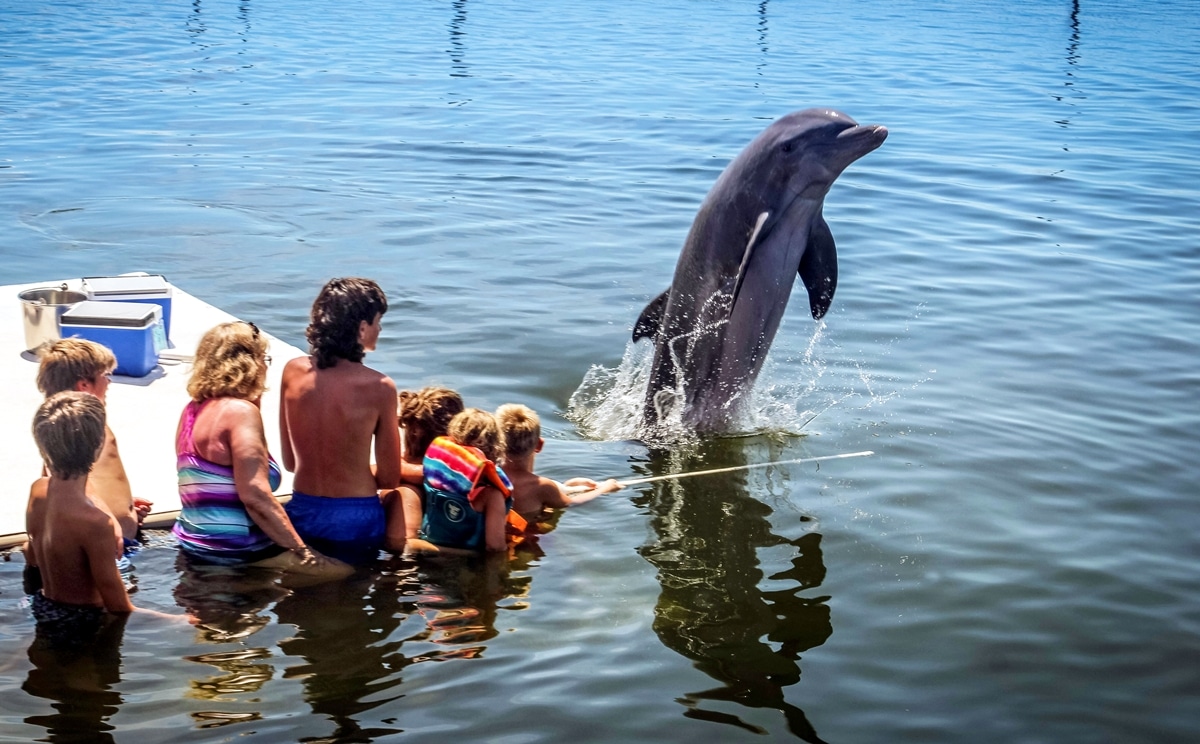
Marathon, situated in the middle of the Florida Keys, is a haven for boating and nature enthusiasts. The city is home to the iconic Seven Mile Bridge, one of the longest bridges in the world, offering breathtaking views of the turquoise waters below. Visitors can explore the vast natural beauty of the area by kayaking through the mangrove forests or visiting the Dolphin Research Center, where they can interact with these intelligent creatures.
Big Pine Key and the Lower Keys – Key Deer and Other Natural Wonders

Big Pine Key and the Lower Keys offer a unique opportunity to explore the natural wonders of the Florida Keys. The National Key Deer Refuge on Big Pine Key is home to the endangered Key Deer, a species found only in this region. Nature lovers can also explore the pristine beaches of Bahia Honda State Park or venture further off the beaten path to discover secluded islands and hidden coves.
Key West Known as The Southernmost Point of the Continental United States
Key West, the southernmost key, exudes a vibrant and laid-back atmosphere. Known for its colorful architecture, lively nightlife, and artistic community, Key West has long been a haven for writers, artists, and dreamers. Visitors can explore the historic Old Town, visit the Ernest Hemingway Home and Museum, or simply relax on the stunning beaches and enjoy the breathtaking sunsets that have inspired generations.
Dry Tortugas National Park is a Remote Historic Island Paradise

Located about 68 miles west of Key West, Dry Tortugas National Park is a remote and pristine island paradise. Accessible only by boat or seaplane, the park is home to Fort Jefferson, a massive 19th-century fortress that stands as a testament to the region’s military history. Snorkeling enthusiasts will be delighted by the vibrant coral reefs and crystal-clear waters that surround the islands, offering an unparalleled underwater experience.
History and Significance of the Florida Keys
The Florida Keys hold a rich history and a significant place in the state’s cultural heritage.
The islands stretch for about 120 miles off the southern tip of Florida, forming a natural wonderland that has captivated explorers, artists, and travelers for centuries.
The keys were formed by the remains of ancient coral reefs and have evolved into a unique ecosystem teeming with diverse marine life and lush vegetation.
The first inhabitants of the Florida Keys were the Calusa and Tequesta Native American tribes, who relied on the abundant resources of the surrounding waters for their sustenance.
European explorers, including Spanish conquistadors, arrived in the 16th century, leaving their mark on the islands. The Keys became a vital hub for maritime trade, and their strategic location made them susceptible to the exploits of pirates and privateers.
List of 125 Named Florida Keys
The list of Florida Keys below is organized in alphabetical order, making it easy to find them by name. For their exact location in the Keys, our Mile Markers of the Florida Keys can be referenced.
Here is a more exhaustive list of named keys and islands in the Florida Keys, including the Dry Tortugas. While the main islands above are connected by bridges (except for the Key West islands of Tortugas, Sunset and Wisteria) and
Bahia Honda Key – State Park and beaches here are superb.
Ballast Key – actually considered the southernmost point of the US, despite Key West claims.
Bamboo Key
Bay Key
Big Munson Island
Big Pine Key – is famous for the Key Deer species.
Big Torch Key
Bobalu Key
Boca Chica Channel Key
Boca Chica Key
Boca Grande Key – Not the Boca Grande near Charlotte Harbor.
Boot Key
Bow Channel Key
Christmas Tree Island – nickname for Wisteria Island for the trees there.
Clive Key
Conch Key
Cook Island
Cottrell Key
Cow Key
Craig Key – good seafood restaurant there by the same name.
Crane Key
Crawfish Key
Crawl Key
Cudjoe Key – Air Force station located on this Key.
Deer Key
Dredgers Key
Duck Key – Hawk’s Kay Resort here.
East Rockland Key
East Summerland Key
Fat Deer Key
Fiesta Key
Fleming Key
Geiger Key

Grassy Key – Dolphin research center here.
Halfmoon Island
Hogfish Key
Hospital Channel Key
Howard Key
Howe Key
Ibis Island
Indian Key
Inner Kemp Channel Key
Kemp Island
Key Largo – The largest of the Keys and considered the First Key.
Key West – 25% of the population in the Keys is on Key West.
Knights Key
Knockemdown Key
Layton
Lignumvitae Basin Keys
Lignumvitae Key
Little Crawl Key
Little Duck Key
Little Knockemdown Key
Little Money Key

Little Munson Island
Little Pine Key
Little Rabbit Key
Little Torch Key
Little Water Key
Long Island
Long Point Key
Lower Matecumbe Key
Lower Sugarloaf Key
Man Key
Man of War Key
Marathon – Marathon is generally considered to be halfway to Key West. It is also the home to some of the best resorts in the Keys.
Marlin Key
Middle Channel Key
Middle Nest Key
Middle Torch Key
Missouri Key
Money Key
No Name Key – made a name for the bar named No Name Pub!
North Nest Key
Ohio Key
Ohio Missouri Key
Old Dan Bank
Outer Kemp Channel Key
Park Island
Park Key
Peck Key
Pelican Key
Perky Island
Pigeon Key – Historic Pigeon Key housed the men working on Flagler’s East Coast Railway.
Plantation Key – Next to Key Largo.
Rabbit Key
Raccoon Key
Ramrod Key – MM 26-27.3
Rockland Key
Saddlebunch Keys – multiple smaller keys
Sawyer Key
Scout Key
Seven Mile Bridge (connects Marathon to Little Duck Key) MM 47 in Marathon.
Shark Key
Shrimp Key
Sigsbee Park
Snipe Keys
South Nest Key
Spanish Harbor
Spanish Harbor Key
Stock Island – next to Key West with our favorite Hogfish Grill.
Summerland Key
Sunset Key – One of the best restaurants in the Keys is here named Latitudes. Many sunsets watched over this island from Mallory Square in Key West.
Sunshine Key
Swordfish Key
Tank Island
Tea Table Key
Toms Harbor Keys
Torchwood Island
Trumbo Island
Upper Matecumbe Key
Upper Sugarloaf Key
Vaca Key
Water Key
West Rockland Key
West Summerland Key
Whipray Basin Keys
Windley Key
Wisteria Island
Woman Key
Woman Key Channel Key
Named Keys of The Dry Tortugas
Loggerhead Key – The largest of the seven islands forming the Tortugas. This is where Fort Jefferson is located.
Garden Key
Bush Key
Long Key
Hospital Key
Middle Key
East Key

Discovering the Magic of the Florida Keys
Florida Travel Blog spends at least 20 weeks a year traveling. Our favorite trek is the two or three times per year visit to the Florida Keys.
There is truly something magical about this tropical wonderland. It makes no difference of age, interests, gender, abilities or time of year, there is something unique about your first step onto one of the Florida Keys.
Within a few days of our very first trip to the Florida Keys some 40 years ago, we started planning when we could go again. There is nothing like the atmosphere, beauty, simplicity and historic culture of the Florida Keys as islands and the way Florida Keys names were originated.
While the names of the Florida Keys are diverse and generally have a meaning, they are reflective of the cultures who also loved the Keys.




Where Is Chattahoochee Florida? A Complete Local Guide
Last Updated September 9, 2026 Chattahoochee, Florida sits in the far northwestern corner of the state, in Gadsden County, just a few miles south of the

What are the Best Beach Destinations in Florida for Families?
We have been traveling Florida for over 40 years. Here are our 24 best beach destinations in Florida. From the far reaches of the Panhandle

Best Beaches on Florida’s West Coast: 21 Gulf Coast Picks (2026)
We’ve visited every beach on this list. Here are the 21 best beaches on Florida’s west coast — from Clearwater south to Marco Island — with parking, tips, and what makes each one worth the trip.

Marco Island, Florida: The Complete Travel Guide
They call it the “Hawaii of the East,” and once you arrive, the nickname makes perfect sense. Marco Island sits at the southern tip of

Key Largo to Key West Florida Mile By Mile Guide
Key Takeaways Top 10 Stops – Key Largo to Key West John Pennekamp State Park Florida Keys Wild Bird Center Theater of the Sea ROBBIE’S

Best Places in Florida for Young Adults to Vacation (2026 Guide)
Florida isn’t just theme parks and family trips—it’s beaches with a pulse, neighborhoods with art and music until late, and water adventures you can’t get

Clearwater Beach Visitors Guide – Unwind in Paradise
Last Updated April 18, 2026 Clearwater Beach delivers powder-soft sand, calm Gulf water, a walkable marina-to-pier strip, and nightly sunset vibes. As Tampa Bay locals,

Interesting Facts About the Florida Everglades – 100 Of Them!
Our Number One Fact About The Everglades — “The Florida Everglades is one of the most extraordinary ecosystems on Earth! An immense subtropical wetland famous

Guide To Florida Keys: Resident’s Essential Tips
You are about to embark on a journey through the most beautiful tropical islands in the world. This guide to the Florida Keys is a


